Ask before assuming
Missing SKU or tray data is recorded as an open item, not filled with a convenient number.

Dense storage becomes easier to manage when the application basis, equipment boundary and handover duties are written in the language used by operators, maintenance teams and procurement.
A vertical lift module selection can look simple when reduced to tray count and pick rate. The real operating story includes a damaged tote at receiving, a SKU whose height shifts tray stacking rules, a fire aisle that must stay clear during peak, a WCS timeout that leaves inventory cube utilization unclear and a shift when maintenance access disappears. These are not edge decorations; they are inputs to the storage concept.
The review therefore starts with a representative pick. The load is described in kilograms and dimensions, the tray payload and center of gravity are noted, the pick confirmation is checked and the target rate is connected to order-line mix. The bay is walked for clear width, overhead obstructions, fire separation, visibility and mixed traffic. Duty cycle is separated into tray travel, presentation dwell, idle and peak windows so availability can be evaluated against the actual shift.
“A helpful recommendation shows which fact changed the shortlist and which fact still needs verification.”
This page does not rely on unverified founding dates, employee counts or anonymous client claims as certified facts. Planning-range figures may appear in project discussions only with their source stated. Trust comes from a traceable method: state the basis, expose the limitation, test the representative task and give unresolved items a named owner before handover.
Missing SKU or tray data is recorded as an open item, not filled with a convenient number.
Rated tray load, usable locations and site suitability remain distinct decisions.
Operators, pedestrians, maintenance and controls share the same recovery path.
Training, inspection, service routing and exception authority receive owners.
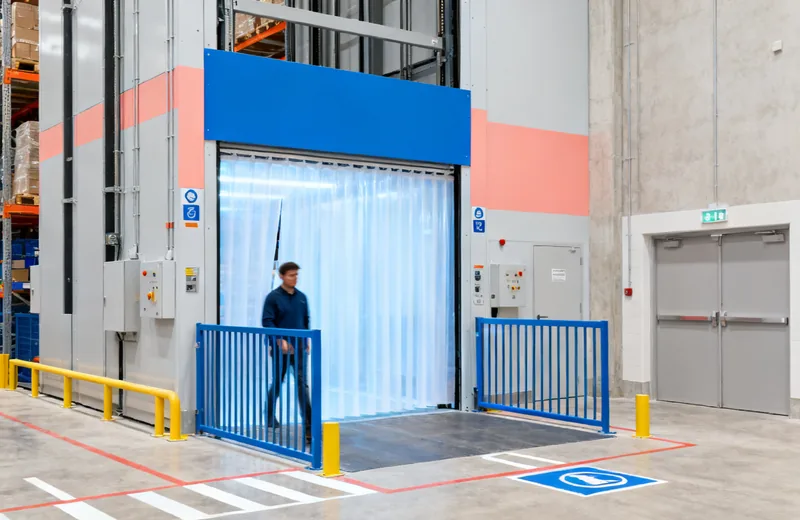
Operators, pedestrians, replenishment staff, maintenance technicians and supervisors encounter the equipment in different states. A bay review should show crossings, blind corners, speed controls, parking positions, spare access and the safe method for dealing with a blocked or unstable tray.
Training and authorization depend on the jurisdiction, equipment and workplace rules. Functional safety and performance level requirements may apply to guarding and light curtains depending on the installed configuration. Applicability and evidence must be confirmed for the actual location; this page does not claim certification for a particular product.
The aim is a usable operating boundary: warnings remain visible, inspections fit the shift, operators know when to stop, and maintenance can reach the asset without creating a second hazard.
Share a bay sketch, representative tray load and the point where the current process loses time, selectivity or control. Mark what has been measured, what is assumed and what must be decided.